


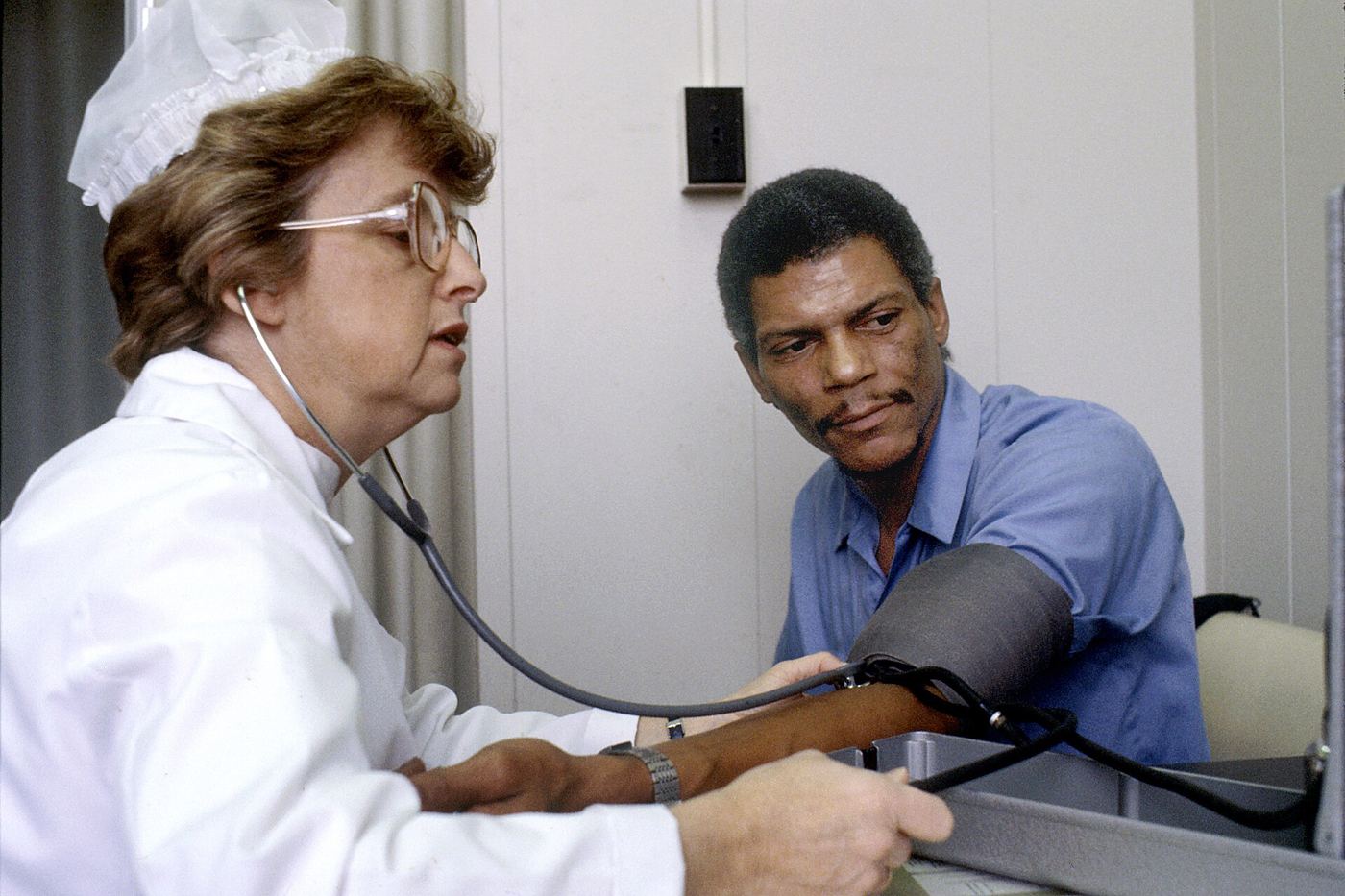
High blood pressure often develops without obvious symptoms, which is why regular checks are one of the simplest ways to protect heart and brain health. A quick measurement at a clinic, pharmacy, or community event can reveal readings that need follow up before they lead to stroke, kidney damage, or heart disease. Health workers emphasise that a single high result is a prompt for rechecking, not panic. Observers say the pattern is becoming clearer as more real world examples are documented and compared carefully over time.
What the Evidence Shows
Accurate readings depend on sitting quietly, using the correct cuff size, and avoiding caffeine or exercise immediately beforehand. People asked to monitor at home should record readings at consistent times and share the full set with their clinician. Lifestyle changes, medication when prescribed, and regular reviews work together. Early detection gives patients more options and usually makes treatment simpler, safer, and more effective over the long term. Taken together, these steps point toward practical progress that can be measured, shared, and improved by others facing similar challenges. Reporting and analysis from sources such as World Health Organization track the same developments, and specialists following regular blood pressure checks say the direction is now consistent across independent lines of evidence.
The Wider Context
The wider context is a health system trying to move from treating illness late to preventing it early, against budgets that reward the opposite. Evidence around regular blood pressure checks is being weighed by guideline committees that ask two questions in order: does it work, and can ordinary services actually deliver it at scale. Many good ideas pass the first test and stall on the second.
What Happens Next
What happens next for regular blood pressure checks depends on the slow machinery of guidelines, funding and training catching up with the evidence. Patients asking about it today should expect honest answers that include uncertainty, and clinicians say a service that explains what is not yet known earns more trust than one that oversells. The research pipeline, at least, is moving in the right direction. You can follow related developments in our coverage of health.
There is a practical lesson in all of this for readers deciding what to do today. Start with the verified facts, be wary of anyone promising certainty, and prefer reversible steps while the evidence is still developing. Circumstances differ by country, income and personal situation, so general guidance should always be weighed against your own context before you act on it in any significant or lasting way.
It is also worth remembering how quickly the picture in this area has changed before. Positions that looked settled a few years ago have been revised as new data arrived, and the same humility is appropriate now. The strongest coverage of this subject, and the most useful advice, tends to come from sources that update their views openly when the facts move, rather than defending an earlier position long after it has stopped fitting the evidence available.
