


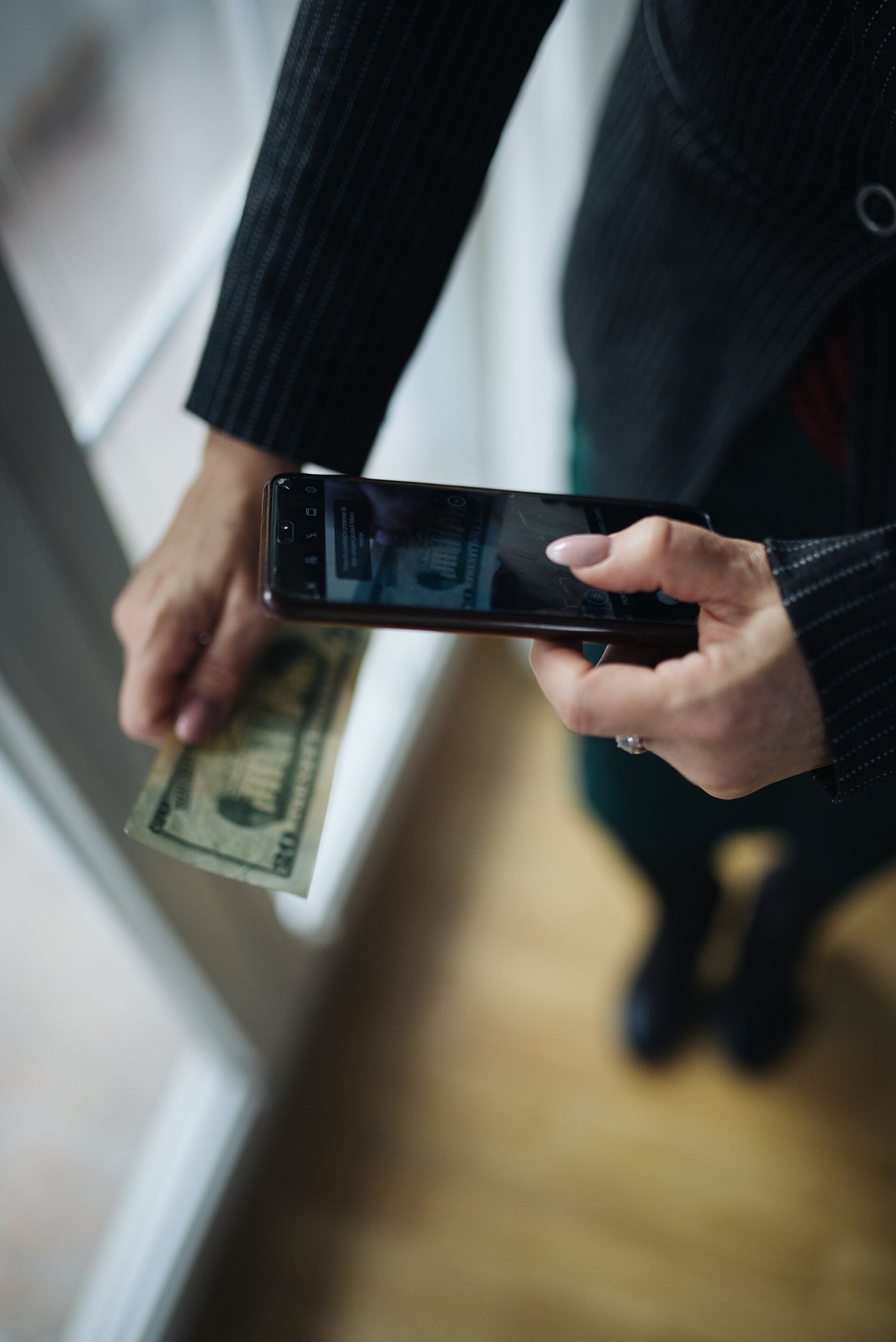
For years, digital currencies were mostly bought, held, and discussed rather than spent. That is slowly changing as some cafes, online stores, and travel services experiment with accepting crypto payments through smartphone wallets. The experience, scanning a code, confirming the amount, and waiting briefly for the network to approve, is beginning to resemble other forms of mobile payment, though fees and confirmation times still vary considerably between networks and at busy periods. For the small group of users paying this way regularly, the appeal is practical: no card details shared with the merchant, and a clear record of every payment kept automatically inside the wallet application itself. For travellers, the same wallets are occasionally useful in places where card acceptance is limited, although carrying a conventional backup payment method remains plain common sense everywhere.
What the Evidence Shows
Everyday spending also exposes the friction that still surrounds digital assets. Prices quoted in conventional currency can translate into awkward fractional amounts, the value of a balance can move noticeably between earning it and spending it, and tax rules in many places treat each payment as a disposal that must be recorded. Merchants, for their part, often convert receipts immediately into regular currency to avoid holding a fluctuating asset. These realities mean wallet payments remain a niche experiment rather than a mainstream habit for now. Even so, each real transaction teaches developers and businesses where the process needs to become simpler, cheaper, and clearer before ordinary shoppers will consider it routinely. Whether adoption grows will depend less on novelty and more on reliability: payments that succeed predictably, cost little, and can be understood at a glance by both sides. Reporting and analysis from sources such as European Central Bank track the same developments, and specialists following everyday payments with crypto wallets say the direction is now consistent across independent lines of evidence.
The Wider Context
The wider context is a sector being absorbed, piece by piece, into the regulated financial mainstream. Work on everyday payments with crypto wallets now happens under licensing regimes, audit expectations and consumer-protection rules that would have been unrecognisable a few years ago. Long-standing participants are divided between relief at the legitimacy and regret for the experiment’s wilder freedoms.
What Happens Next
What happens next for everyday payments with crypto wallets will be shaped by the interaction of regulation, market appetite and the sector’s own capacity for self-inflicted wounds. The infrastructure is more professional than it was, the rules are clearer, and the remaining question is whether growth can stay boring. Participants with the longest memories say boring would be the real milestone. You can follow related developments in our coverage of crypto.
None of this will be settled by a single announcement, study or product launch. The pattern to watch is accumulation: independent confirmations, honest reporting of failures and steady improvement in the underlying numbers. Readers who follow those signals, rather than the loudest claim of the week, will understand this subject better than most of the commentary surrounding it suggests is possible.
