


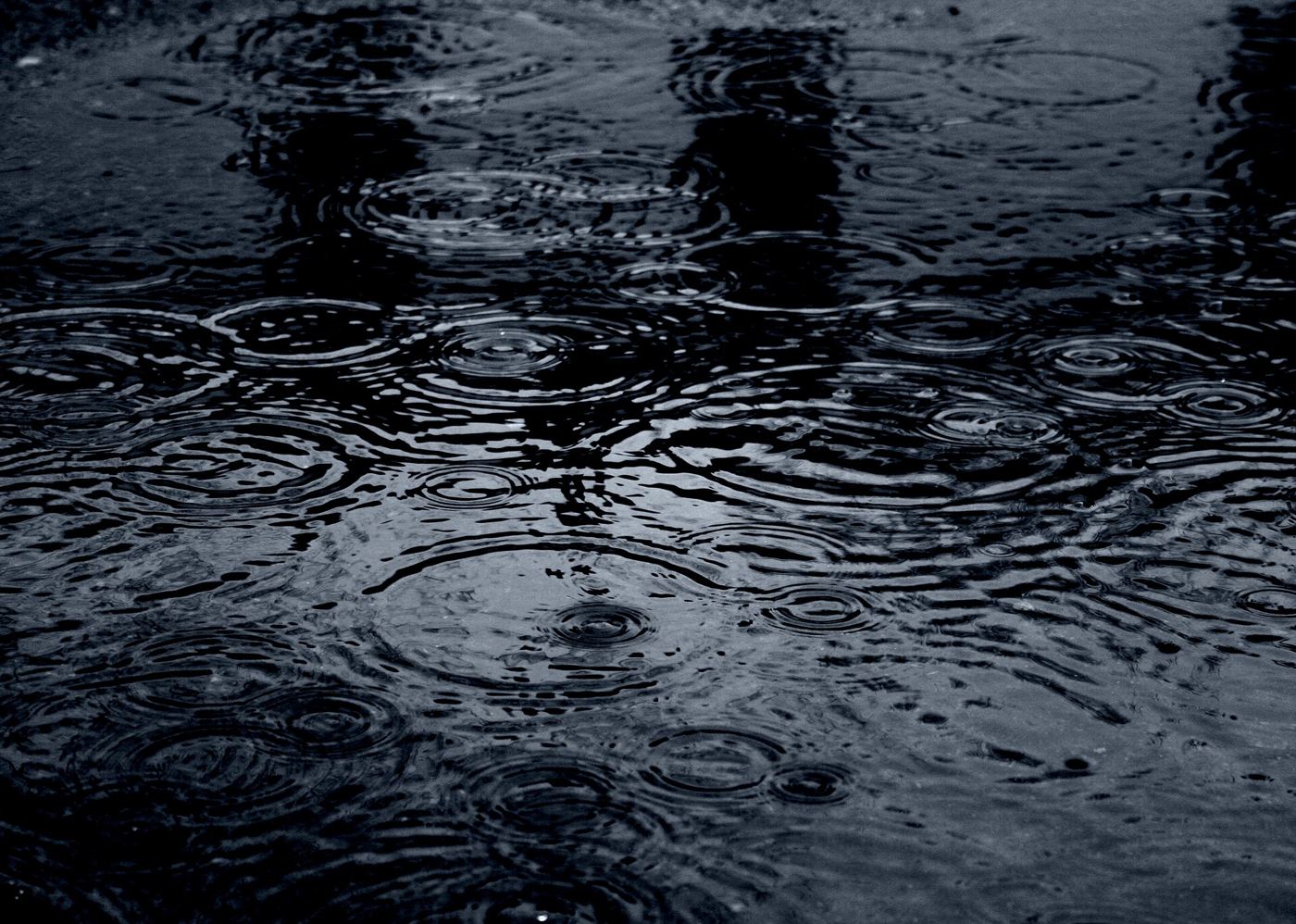
Scroll any social feed and the pattern announces itself: against a sea of bright, smiling headshots, the images that stop the thumb are the dark ones — a face half in shadow, a silhouette against city neon, a black-and-white portrait with the blacks crushed to velvet. The dark aesthetic, built on black tones and low light, has become the dominant style language of profile pictures across platforms, and its rise says something interesting about how people now want to be seen.
What darkness communicates
Style is signalling, and the dark profile sends a consistent set of signals: mystery over availability, depth over cheer, a hint of the cinematic. Where the bright corporate headshot says “approachable and employable”, the moody portrait says “there is more here than I am showing you” — an invitation rather than an advertisement. For gamers, musicians and the fashion-conscious, black is also simply tribal uniform, instantly legible to the in-group. Photographers have always known the power of the low-key image; platforms merely industrialised it. Collections at institutions like the Museum of Modern Art trace the lineage from film noir stills to today’s phone-lit portraits.
How the look is made
The recipe is accessible, which is part of its spread. A single light source — a window at dusk, a neon sign, a desk lamp — against an unlit background; a phone’s portrait mode or a cheap backdrop; editing that lowers exposure, deepens the blacks and cools or warms the highlights to taste. The most-shared dark DPs share a discipline beneath the mood: the face still reads clearly, the eyes still catch light. Total darkness is a silhouette; the aesthetic lives one stop brighter, in the chiaroscuro. Our style guides break down the strongest variations, from noir monochrome to cyberpunk colour.
The counter-current
Every dominant style breeds its rebellion, and bright, candid, unfiltered photos are already circulating as the connoisseur’s answer. But the dark aesthetic’s grip has lasted longer than most feed fashions, because it solves a permanent problem: how to be distinctive in a grid of faces. Black, it turns out, is the loudest colour in the thumbnail — precisely by refusing to shout.
Try the experiment yourself: take the same portrait in bright light and in window-shadow, and compare what each claims about you. Style, at this resolution, is autobiography in a single frame — and more people than ever are choosing to write theirs in black.
Creators should note the one occupational hazard: sameness. When every profile is a shadow and a jawline, the look that promised mystery can deliver anonymity instead. The dark DPs still rising above the feed add one personal signature — a colour accent, an unusual crop, a genuine expression breaking the pose. Noir is a language; the masters of it still insist on saying something personal in it. That has always been the difference between a style and a costume.
